
Some friends send you a funny meme or an interesting article.
My friend Shirley sends those. She also sends opportunities to change your life.
Earlier this year, she forwarded information about a free online course in Dialectical Behavior Therapy, better known as DBT. The course was designed to take 26 weeks.
Twenty-six weeks!
Since my theme for 2026 is “Do What You Love: 26 in ’26,” I took that as a sign. Of course, the fact that Shirley was inviting me made it even more appealing. Learning DBT with friends sounded much more motivating—and more fun—than working through an online course alone.
What Is DBT?
DBT stands for Dialectical Behavior Therapy. It teaches practical skills in four major areas:
- Mindfulness
- Distress tolerance
- Emotion regulation
- Interpersonal effectiveness
The free course at DialecticalBehaviorTherapy.com includes 40 short lessons with videos, exercises, and worksheets. Although DBT was originally developed as a form of psychotherapy, its skills can also be valuable for anyone interested in personal growth, stronger relationships, and healthier ways of responding to life’s challenges.
One of the ideas at the heart of DBT is that two seemingly opposite things can be true at the same time. We can accept ourselves as we are and still work toward change. We can acknowledge that our feelings are valid without letting those feelings dictate our actions. We can care deeply about another person while also setting boundaries.
Life is rarely as simple as right or wrong, good or bad, acceptance or change. DBT helps us become more comfortable living in the “and.”
The Shirley Factor
Of course, signing up for a class and actually completing it are two different things.
That is where Shirley comes in.
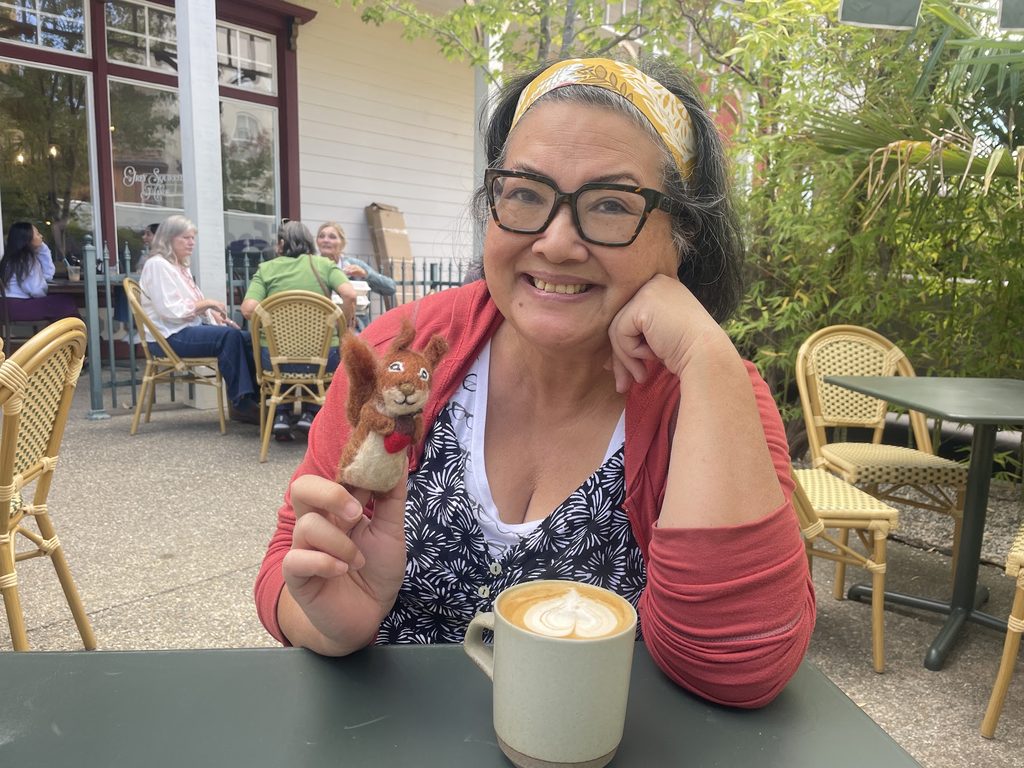
Shirley is a deep thinker, a strong motivator, and one of the most curious people I know. She doesn’t simply skim information and move on. She studies it, takes copious notes, asks questions, makes connections, and thinks about how the ideas apply to real life.
When she invited me and a few others to take the course, she also created a WhatsApp thread where we could compare notes and discuss each lesson. That small act made a huge difference.
Instead of silently clicking through an online course by myself, I had companions for the journey. We could share insights, ask questions, and talk about which exercises resonated with us. Knowing that others were participating helped keep me accountable, but even more importantly, our discussions gave me an opportunity to dig deeper.
The course provided the lessons. Shirley helped create the learning community.
That is one of her gifts. She doesn’t just collect knowledge; she creates opportunities to explore and share it.
Learning Beyond the Lessons
Our conversations haven’t been exclusive to DBT lessons. We continued discussing other topics related to psychology, relationships, communication, and personal growth.
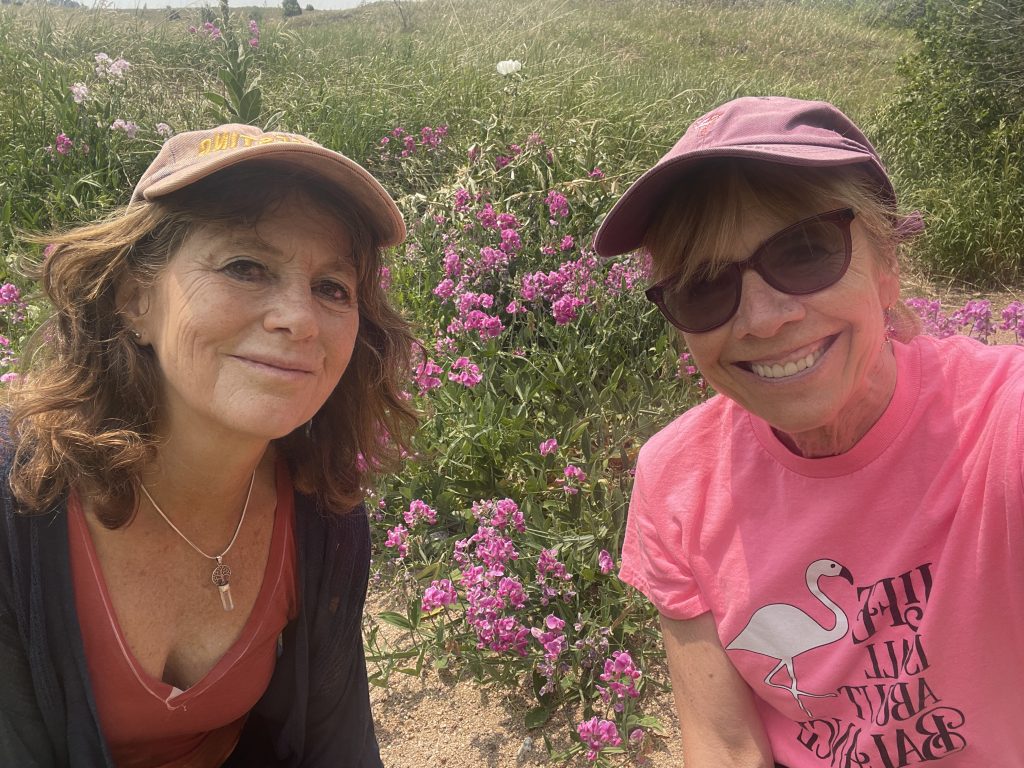
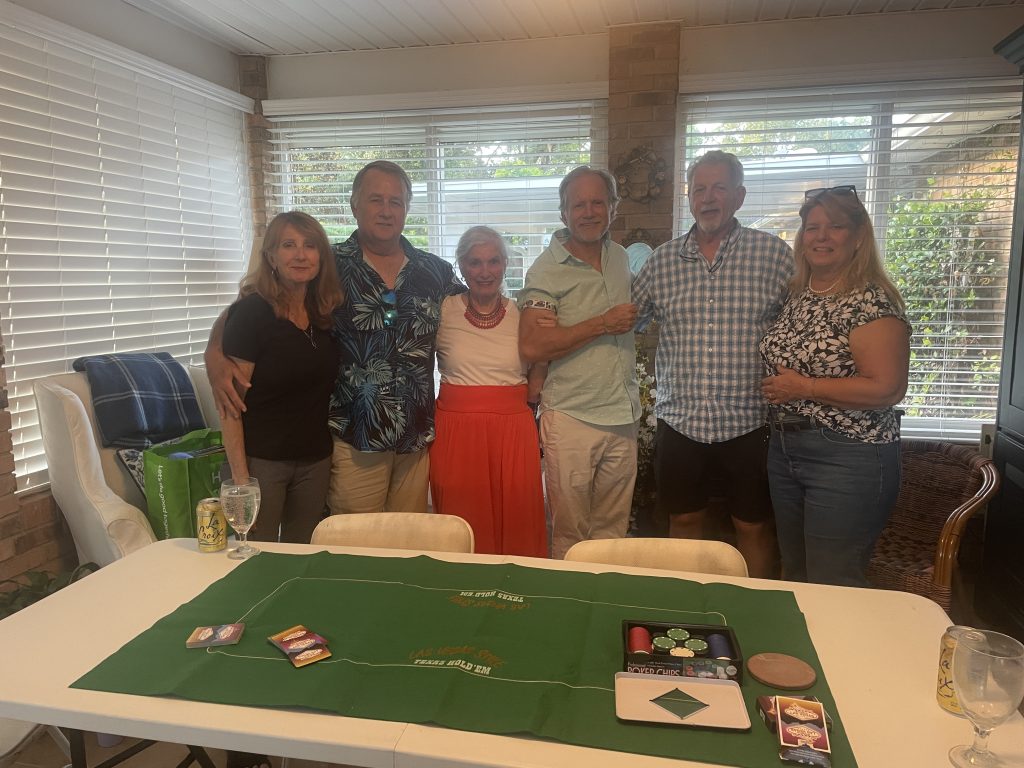
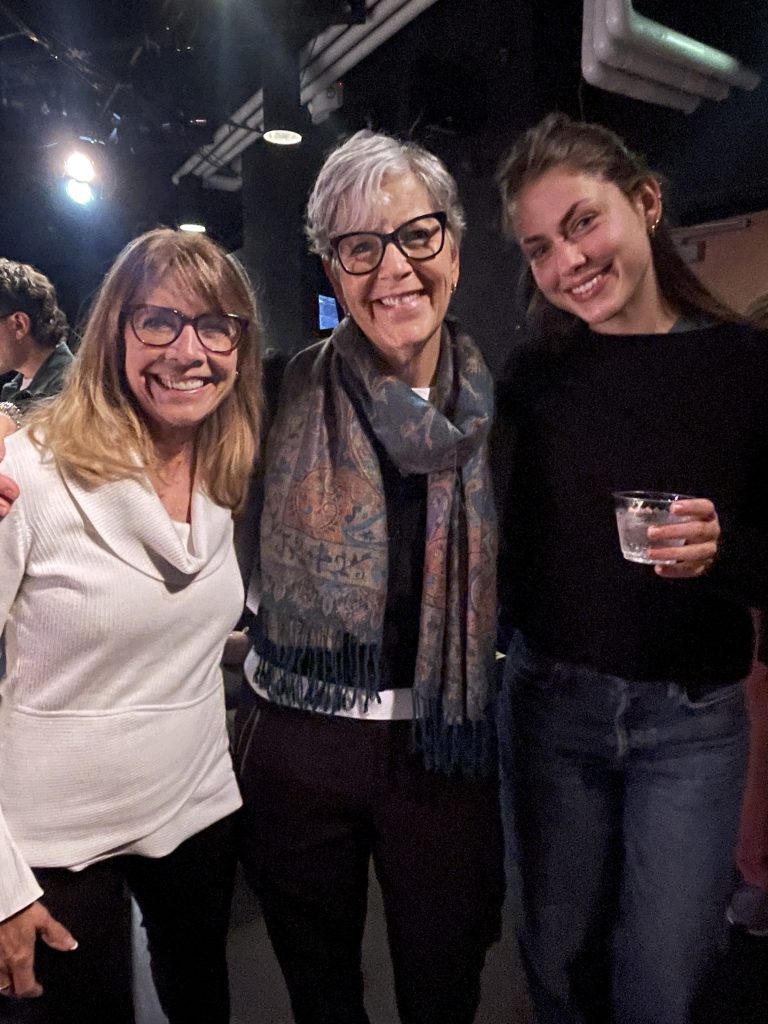
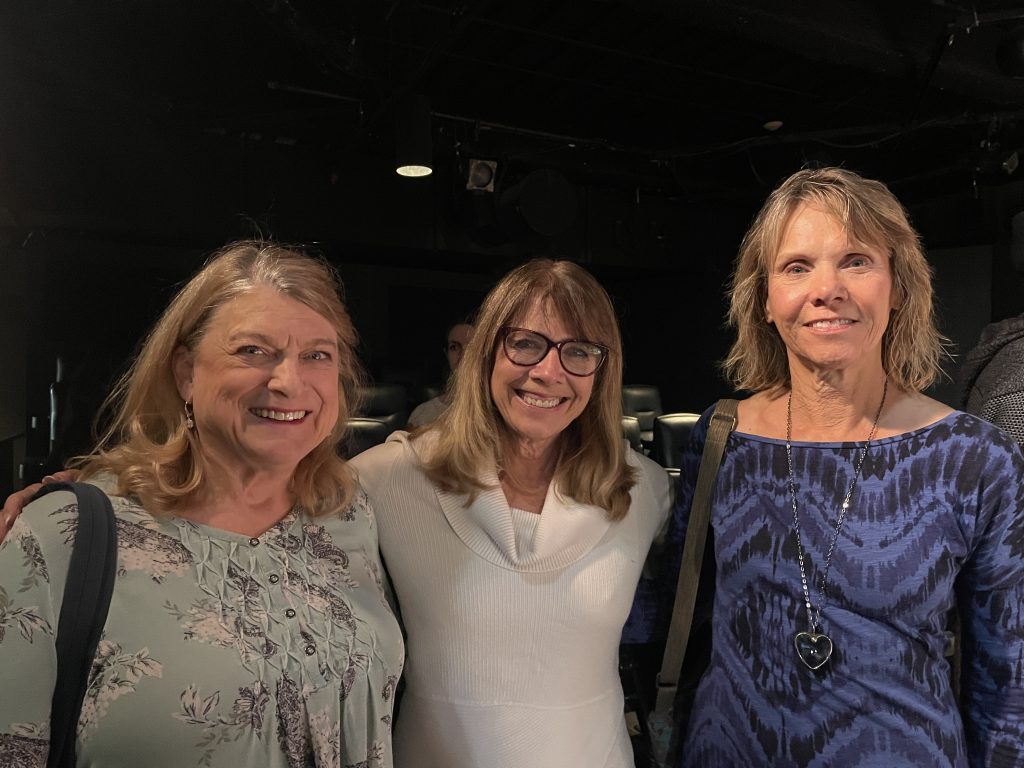
A few weeks ago, we even met for a quick retreat in the Santa Rosa area. Spending time together in person gave us another chance to talk, reflect, and exchange ideas. As always, Shirley arrived with an impressive amount of information and plenty of thoughtful observations.
Shirley gifted me the book Rolefulness: A Guide to Purposeful Living by Professor Daiki Kato and Nicholas Kemp. The concept of rolefulness encourages us to focus not only on goals, but also on the many roles we fulfill in our lives. It was a fitting gift from someone who is always introducing me to new ideas and encouraging me to look at life from a different perspective.
She is truly a wealth of knowledge. But what I value most is not simply how much she knows. It is her willingness to share what she learns and invite others into the conversation.
There is a special kind of friend who encourages you, challenges you, and helps you see things from a different perspective. Shirley is that kind of friend.
Knowledge Is Better When It Connects Us
The DBT course taught me useful skills for handling emotions, tolerating distress, practicing mindfulness, and navigating relationships. But the experience also reminded me of something I already believe deeply: learning is richer when it brings people together.
A free online course became much more than a collection of lessons. It became a reason to reflect, an invitation to connect, and another chapter in a meaningful friendship.
And, appropriately enough, it all unfolded over 26 weeks.
In my “26 in ’26” year, I’m celebrating not only the things I love to do, but also the people who inspire me to keep learning, growing, and connecting.
Thank you, Shirley, for sharing your wisdom, your motivation, your copious notes, your thoughtful gifts—and the journey.